


I began this paper after my pet rabbit passed away. The loss made me want to understand disease at the level of its mechanisms, and I chose to study one of the most difficult cancers to treat.
Pancreatic ductal adenocarcinoma has a five-year survival rate of roughly 12%. It is usually diagnosed late, lies close to major blood vessels and resists conventional therapy. Beyond a certain size every tumour must develop its own blood supply. This process, angiogenesis, is the focus of the review.
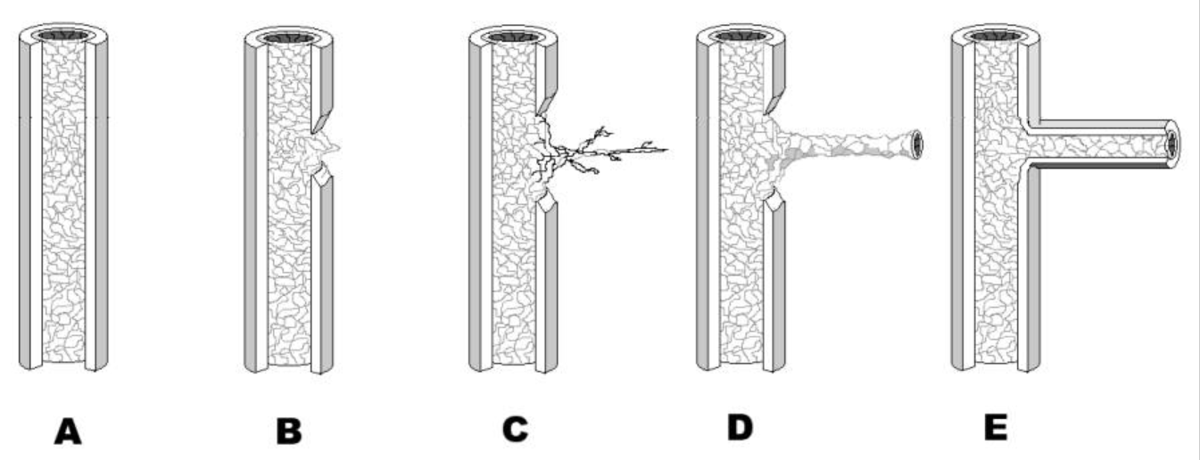
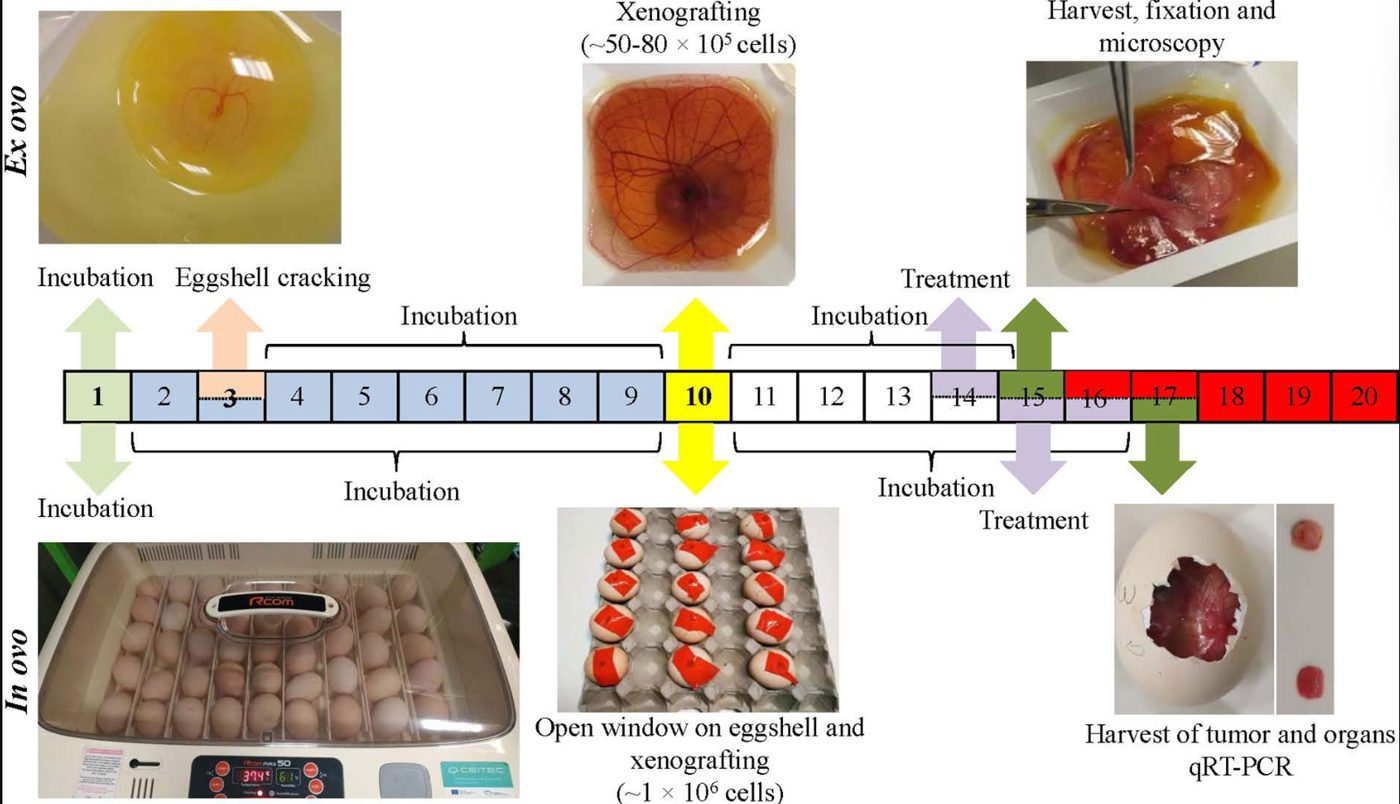
The paper examines sprouting and intussusceptive angiogenesis, the role of hypoxia in driving VEGF and FGF signalling, and the clinical models used to study these processes, including the chick chorioallantoic membrane (CAM) assay, xenografts and genetically engineered mouse models. It concludes by assessing why anti-angiogenic therapies such as bevacizumab and sunitinib have had limited success against this cancer, and where future research might lead.
Read the article: “What Losing a Pet Taught Me About Cancer Research” →