
I have always lived with animals. Over the years our Mumbai apartment collected a dog, a rescued turtle, fish tanks on my desk and balcony, and a pair of rabbits that another family could no longer keep. The rabbits lived on my balcony, and anyone visiting my room had to step around their enclosure.
When one of my rabbits passed away, I could not stop asking why. I could not change what had happened, but I could try to understand how disease works at the level of cells and molecules. So I decided to write a research paper.
Choosing a hard question
I chose pancreatic cancer because it is one of the hardest cancers to treat. Pancreatic ductal adenocarcinoma, its most common form, has a five-year survival rate of around 12%. It rarely causes symptoms until it is advanced, it sits beside major blood vessels that make surgery difficult, and it resists conventional chemotherapy.
Within that subject I focused on angiogenesis, the growth of new blood vessels from existing ones. Beyond a certain size, every tumour needs its own blood supply to bring in oxygen and nutrients. In the 1970s Judah Folkman proposed that stopping a tumour from building that supply might stop it from growing, and that idea underlies today's anti-angiogenic drugs.
What the paper covers
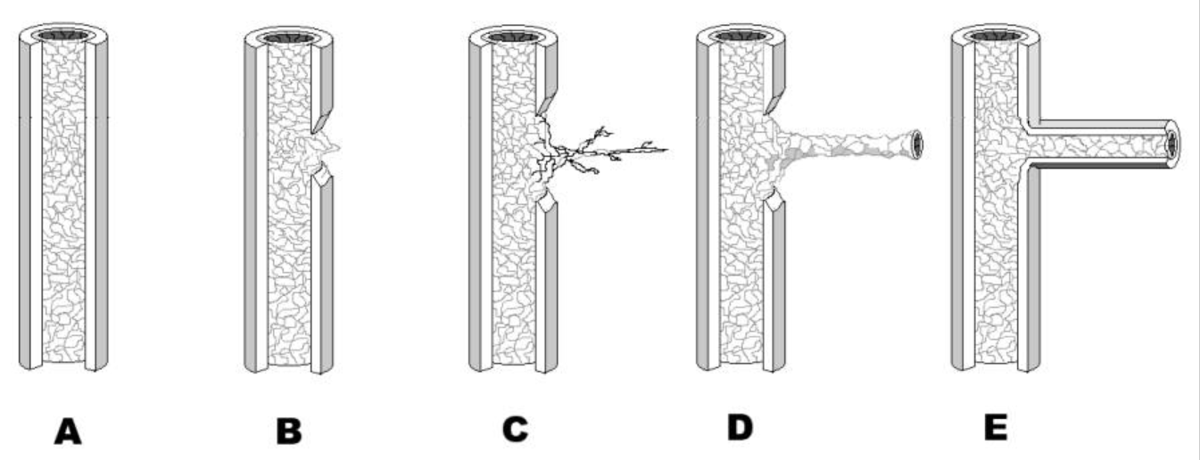
My review looks at the two main ways new vessels form. In sprouting angiogenesis, low oxygen inside the tumour stabilises hypoxia-inducible factors, which switch on signals such as VEGF and FGF; endothelial cells then multiply, migrate and form new capillaries. Intussusceptive angiogenesis, in which one vessel splits into two, is much less understood, and it may not depend on VEGF at all. That matters for drugs designed to block VEGF.
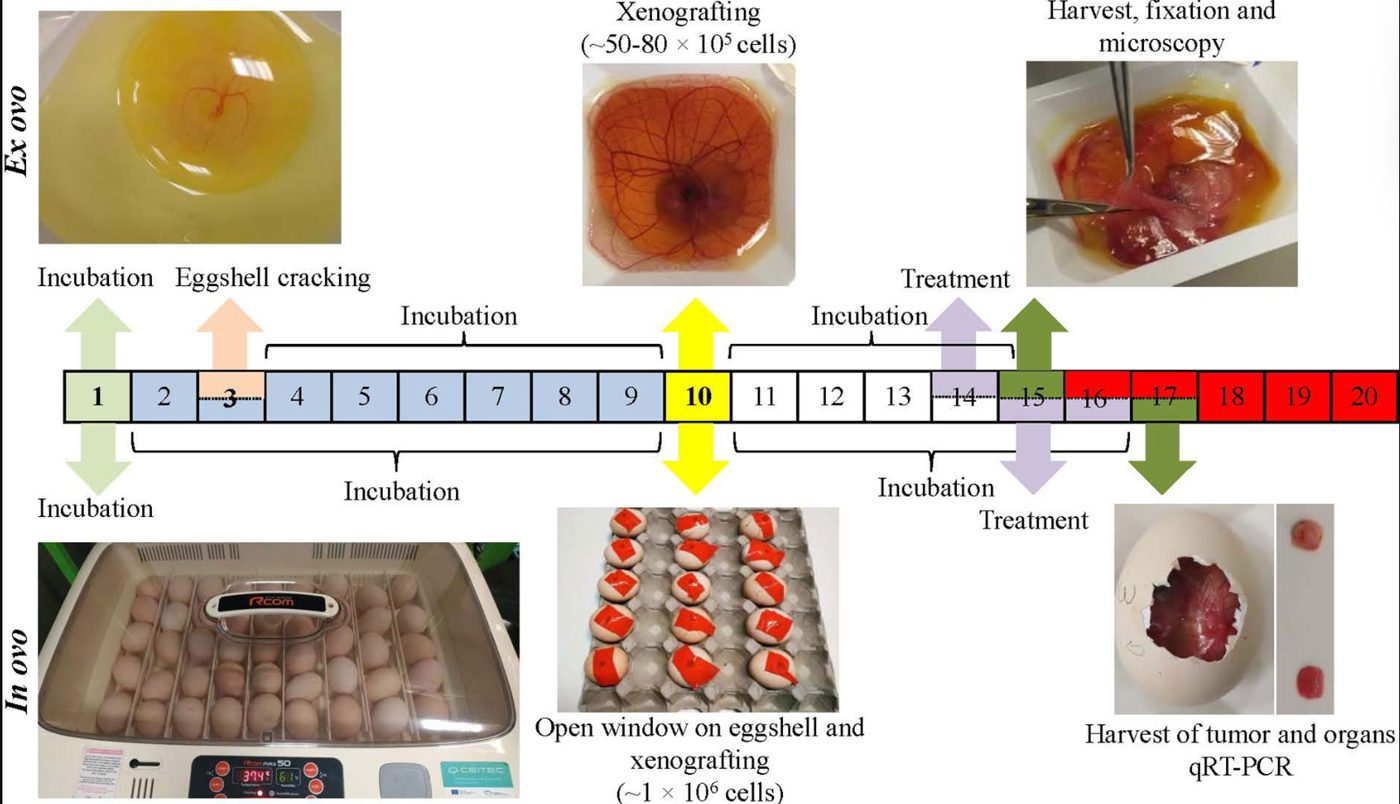
I also compared the models scientists use to study the process, from the chick chorioallantoic membrane assay, which is cheap and fast, to xenografts and genetically engineered mice that mimic human disease more closely. Finally, I examined why drugs such as bevacizumab and sunitinib, which help in some cancers, have had limited success against this one.
What I took from it
Writing the review taught me how research is actually done: reading papers that disagree, following citations back to the original study, and accepting that the honest conclusion is often that we do not know yet. It also made me think harder about how much of medicine rests on careful work with animals, something I see differently because of my own.
The review was later published in the IOSR Journal. More than that, it turned a loss into a question, and that question led to most of the science I have done since.